


Realizing your spouse may need more support than you can fairly provide at home can bring a mix of emotions. You may feel concern for their safety, sadness about changing roles, or uncertainty about what comes next. These feelings are common, especially when you have built a life together over many years.
In many cases, assisted living can offer the right balance of care, comfort, and independence. Your spouse can receive personalized support with daily needs while you continue living as independently as you choose. Many couples remain closely connected, share routines, and enjoy meaningful time together in a new setting. With the right plan, this transition can support both of you.
Key Takeaways
- Growing difficulty with daily tasks can be a sign that one spouse may benefit from assisted living support.
- Safety concerns like falls, forgotten appliances, or emergency risks should be taken seriously.
- Medication management and memory changes often become easier with consistent professional support.
- Many couples can continue living together in assisted living, depending on care needs and housing options.
- Assisted living can reduce caregiver stress while giving couples more quality time together.
- The right community should balance care, independence, comfort, and long-term flexibility.
Signs That Your Spouse May Need Assisted Living
Support needs often grow gradually, which can make them hard to recognize at first. A few small challenges may not seem urgent, but repeated difficulties can signal that more consistent help would improve daily life. Paying attention early can prevent unnecessary stress and reduce the chance of a crisis later on.
Daily Tasks Feel Harder Than They Used To
Activities like bathing, dressing, grooming, or preparing meals may begin taking much longer or become frustrating. You may notice unfinished chores, skipped hygiene routines, or a decline in household upkeep. What once felt simple can start requiring regular assistance. Daily support can help restore comfort and confidence.
Safety Risks Are Becoming More Common
Falls, trouble getting up from a chair, or difficulty moving through the home can create real concern. You may also notice forgotten burners, unlocked doors, or trouble responding quickly in an emergency. Even one close call can change how safe home feels. A supportive environment can reduce these risks.
Medications Are Difficult To Manage
As prescriptions increase, keeping track of doses and schedules can become more complicated. Missed medications or accidental double doses can affect health in serious ways. You may find yourself constantly reminding or monitoring your spouse throughout the day. Assisted living can provide dependable medication support.
Memory Changes Affect Everyday Life
Forgetting appointments, repeating questions, or becoming confused about routines may happen more often. Your spouse may misplace important items or feel disoriented in familiar spaces. These moments can be upsetting for both of you. Additional structure and support can make daily life feel steadier.
Caregiving At Home Is No Longer Sustainable
Sometimes the clearest sign is your own exhaustion. If caregiving has become physically draining or emotionally overwhelming, it may be time to consider another option. One person cannot always meet growing care needs alone. Getting help can protect both your wellbeing and your relationship.
Can Couples Live Together in Assisted Living?
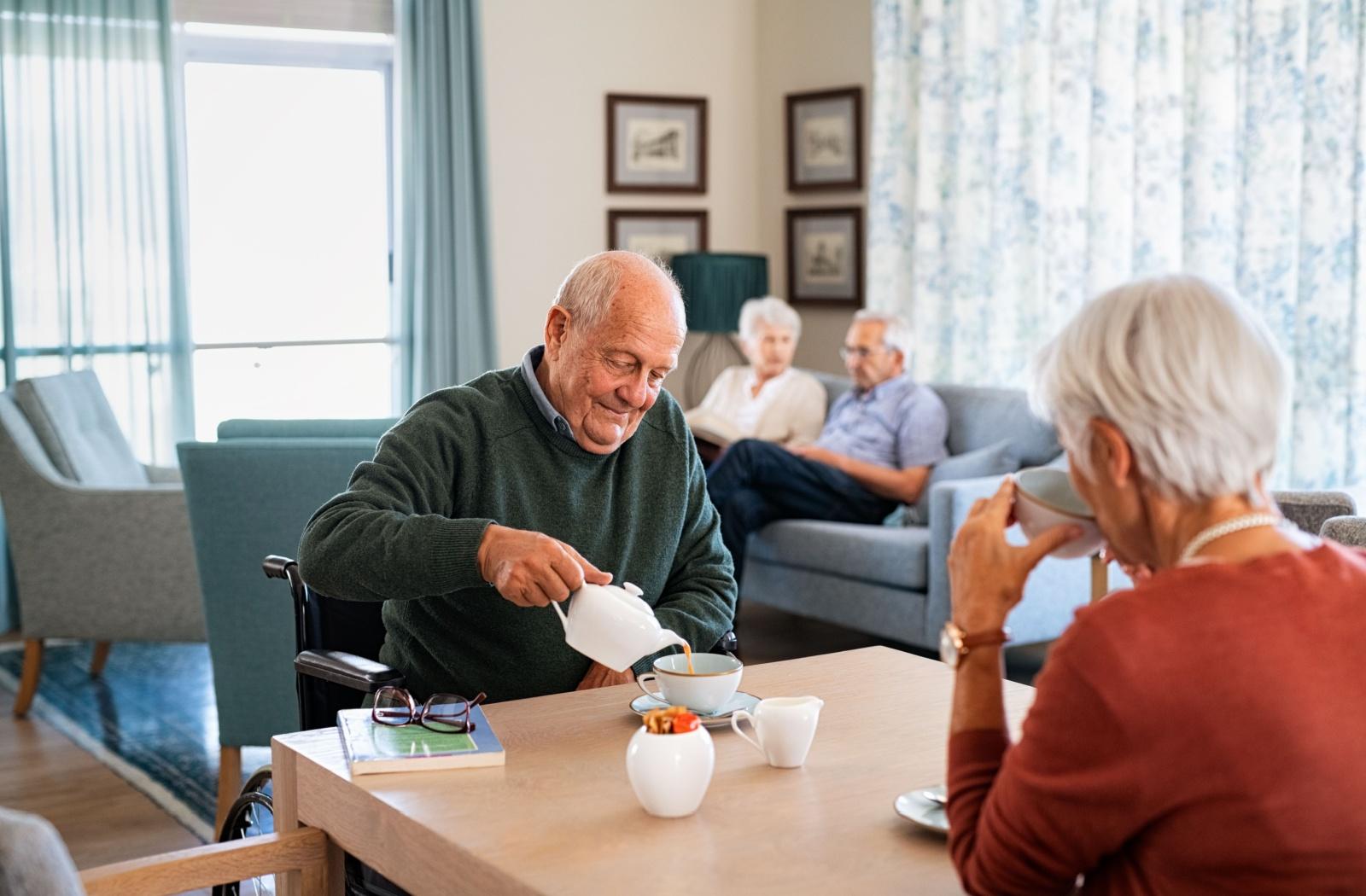
Yes, many couples can continue living together in assisted living when only one spouse needs care. Depending on the community and apartment options available, couples may share a residence while receiving the right level of support for each person. Needing help does not automatically mean being separated from the person you love.
The spouse who needs assistance can receive support with daily routines, mobility, medication reminders, and other personal needs. Meanwhile, the spouse who does not need care can often remain independent, maintain personal routines, and participate in community life as they choose. This arrangement can also ease the pressure that caregiving sometimes places on a marriage.
The Benefits of Choosing Assisted Living
When one spouse needs more help, the right move can benefit both people. Assisted living is not only about care services. It can also create a safer, calmer, and more enjoyable daily routine for each partner. With the right community, both spouses can feel supported.
Greater Safety And Daily Support
Help is available when it is needed, whether that means assistance with dressing, mobility, or medication reminders. Communities are designed with accessibility and safety in mind. Knowing support is nearby can bring real peace of mind.
Relief From Caregiver Stress
Providing care for a spouse can be meaningful, but it can also be exhausting over time. Assisted living allows responsibilities to be shared with trained caregivers. That can reduce burnout and help you focus on being a partner again.
More Time To Enjoy Each Other
When fewer hours are spent managing tasks, more time becomes available for connection. Couples can share meals, attend events, relax together, or simply enjoy everyday moments. Time together can feel more natural again.
Social Connection And Engaging Lifestyle
Many communities offer events, wellness programs, common spaces, and opportunities to meet others. This can help both spouses stay active and connected. A fuller social life often supports emotional well-being too.
Find the Peace of Mind You Deserve Today
Choosing assisted living when one spouse needs more support is not giving up on the life you built together. It is a thoughtful decision rooted in love, safety, and long-term well-being. With the right support, your spouse can receive the care they need while your relationship remains strong. Many couples find that this step brings relief and renewed balance.
At Windsor Gardens of Georgetown, we understand how personal this decision can be. Our team is here to help couples explore options with compassion, clarity, and respect for what matters most to them. We’re proud to create a welcoming environment where support and independence can exist side by side. Book a tour today to learn how Windsor Gardens of Georgetown can support both you and your spouse.