

Key Takeaways
- Multiple falls often indicate underlying health issues or environmental hazards that need immediate attention.
- Home safety modifications can reduce fall risk, but may not address all concerns.
- Assisted living communities offer specialized fall prevention through design and professional supervision.
- Early intervention and honest family conversations lead to better outcomes for your parent’s safety.
When Frequent Falls Become a Safety Concern
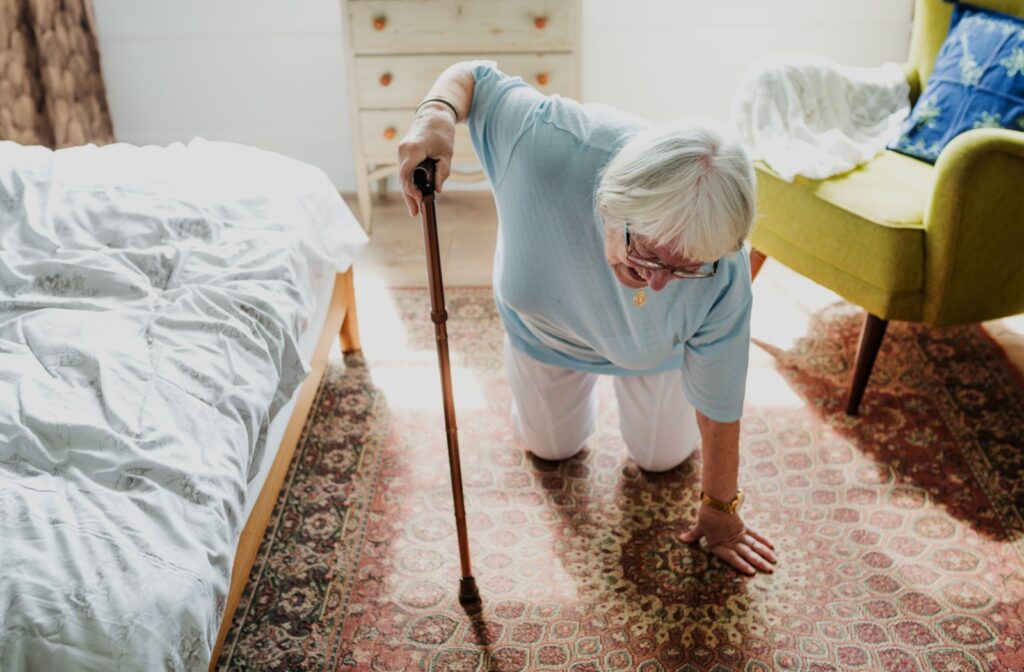
Watching your parent fall repeatedly can leave you feeling helpless and worried about their safety. Each fall brings new concerns about serious injuries, and you might find yourself constantly anxious about what could happen next. Understanding when assisted living becomes appropriate can help you make informed decisions about your parent’s safety and care needs.
When your parent keeps falling, you need to take immediate action by assessing their medical needs, evaluating their living environment, and considering whether they need additional support through assisted living or memory care services.
The right combination of medical intervention, home modifications, and professional care can significantly reduce fall risks and give you peace of mind. Learning to recognize signs your loved one needs care helps you respond appropriately to these safety concerns.
Understanding Why Your Parent Is Falling Repeatedly
Multiple falls rarely happen by accident. Your parent’s repeated falls likely stem from a combination of physical changes, environmental hazards, or cognitive issues that need your attention.
Common Physical Causes of Falls
Age-related changes in your parent’s body can significantly impact their stability and coordination. These physical factors often work together to increase fall risk.
- Balance and mobility changes from conditions like arthritis or Parkinson’s
- Medication side effects that cause dizziness or drowsiness
- Vision problems that make it difficult to see obstacles or judge distances
- Muscle weakness in the legs and core that affects stability
Home Environment Hazards
Even familiar spaces can become dangerous when your parent’s mobility changes. Small hazards that never caused problems before can now lead to serious falls.
- Poor lighting in hallways, bathrooms, and stairwells
- Loose rugs and cluttered walkways that create tripping hazards
- Bathroom safety concerns, like slippery surfaces and a lack of grab bars
- Stairs without proper railings or worn carpeting
Immediate Steps to Take After Your Parent Falls
Your response after each fall can help prevent future incidents and protect your parent’s health. Taking systematic steps helps you gather important information while addressing their immediate needs.
Assess for Injuries and Get Medical Attention
Don’t assume your parent is fine just because they can get up or seem okay. Some injuries, especially head injuries or fractures, might not show symptoms immediately.
Take them to their doctor or emergency room if they hit their head, seem confused, complain of pain, or show any changes in their normal behavior. Even minor-seeming falls can cause serious internal injuries.
Document the Fall Details
Write down what happened, where it occurred, what time of day, and any factors that might have contributed to the fall. This information helps doctors identify patterns and potential causes.
Include details about what your parent was doing before the fall, whether they felt dizzy or weak, and how they fell. These specifics can reveal important clues about underlying health issues.
Review Current Medications with Their Doctor
Many medications can cause dizziness, confusion, or balance problems, increasing fall risk. Their doctor needs to know about the falls to evaluate whether medication adjustments could help. Bring a complete list of all medications, including over-the-counter drugs and supplements, to the appointment. Sometimes interactions between medications can cause unexpected side effects.
Home Safety Modifications and Fall Prevention Strategies
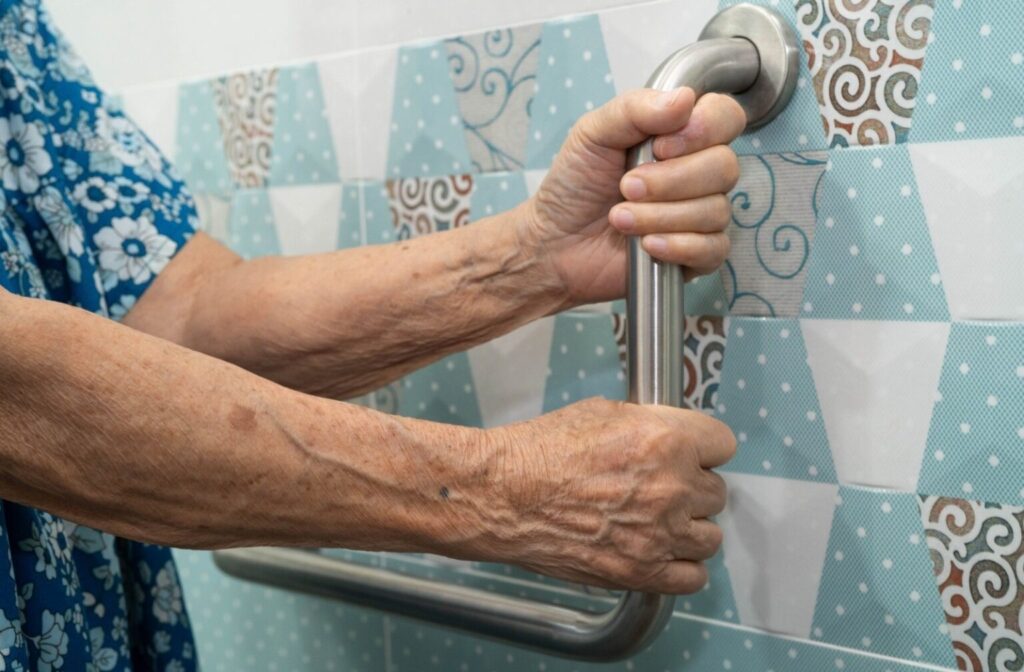
Making your parent’s home safer can reduce fall risks, but these modifications work better when combined with medical treatment and lifestyle changes. Start with the areas where your parent spends the most time.
Bathroom Safety Improvements
Bathrooms present the highest fall risk because of wet surfaces and the need to navigate around fixtures. Professional installation of safety features provides the most reliable protection.
- Grab bars installation near the toilet and in the shower
- Non-slip mats in the bathtub and on bathroom floors
- Shower chairs or benches for safer bathing
Lighting and Walkway Adjustments
Good lighting helps your parent see potential hazards and move more confidently through their home. Install motion-activated lights in hallways and bathrooms for nighttime safety.
Remove or secure loose rugs, clear walkways of clutter, and make sure electrical cords don’t cross walking paths. These simple changes can prevent many common tripping hazards.
Exercise and Physical Therapy Options
Gentle exercise programs designed for older adults can improve balance, strength, and coordination. Physical therapy specifically targets the muscle groups and skills your parent needs for safe mobility.
Balance-focused activities like tai chi or supervised strength training can help your parent feel more stable and confident. Always check with their doctor before starting any new exercise program. Exercise guidance for seniors provides valuable information about safe physical activity options.
When Home Care Isn’t Enough: Considering Assisted Living
Sometimes even extensive home modifications and medical treatment can’t provide enough safety for your parent. Recognizing when they need more comprehensive support helps you make decisions that protect their wellbeing.
Signs Your Parent Needs More Supervision
Multiple falls despite safety modifications often indicate your parent needs professional supervision and support. Other warning signs include not following safety recommendations, forgetting to use mobility aids, or expressing fear about living alone.
If your parent has fallen and couldn’t get help for extended periods, they may benefit from the 24-hour support available in assisted living communities. This level of supervision helps prevent dangerous situations from becoming emergencies.
How Assisted Living Communities Prevent Falls
Professional assisted living communities design their environments specifically to reduce fall risks while maintaining your parent’s independence and dignity. These communities combine environmental safety with trained staff support.
- 24-hour supervision and support from trained caregivers
- Specially designed living spaces with wider doorways and accessible layouts
- Grab bars and safety features throughout all living areas
- Professional caregivers trained in fall prevention techniques
- Medication management programs that reduce side effects
Making the Decision: Next Steps for Your Family
Deciding on the right level of care for your parent requires honest conversations and careful planning. The goal is finding solutions that keep your parent safe while respecting their preferences and maintaining their quality of life.
Having the Conversation with Your Parent
Approach this conversation with empathy and focus on your parent’s safety and independence rather than their limitations. Share your concerns about their falls and discuss options that could help them stay active and engaged. Understanding effective communication strategies can help you navigate these difficult conversations with compassion.
Planning for a Smooth Transition
If your parent has been falling repeatedly, don’t wait for a serious injury to take action. Contact us today to schedule a tour and learn how our assisted living and memory care services can provide the safety and support your family needs.